Who we are
We play at the intersection of water, vibration, and cymatics — in animal sounds, music, and living frequencies — bringing coherence to your body, the water, and our living planet.
The science
We put sound into water.
The physics
99%
Air blocks sound. Water doesn't.
A sound wave moving through air loses about 99% of its energy at the skin. Water is almost the same density as soft tissue, so nearly all of it gets through.
The body
Piezo1 · Piezo2
Vibration is felt, not just heard.
Once inside, low-amplitude vibration reaches bone, fascia and organs, switching on the mechanoreceptors that cells use to sense pressure and movement.
The cell
20 Hz – 20 kHz+
The full spectrum, inside one cell.
We play from 20 Hz to 20 kHz and beyond — the whole range of human hearing and past it — so an entire experience can be carried into the cell itself.
The stories
Ocean News


Sound properties and shallow water propagation for acoustic enrichment in coral reefs
This technical study quantifies how sound propagates through shallow reef environments, providing the necessary physics-based protocols for restoration practitioners. It confirms that low-frequency fish calls can be detected by larvae from hundreds of meters away.

A deep learning model for detecting and classifying multiple marine mammal species
Advancements in deep learning are enabling the automation of marine mammal monitoring, allowing for more precise classification of vocalizations despite high background noise. This technology is essential for meeting environmental directives and ensuring the ecological health of European waters.

Beaked whale bioacoustics: knowledge gaps, vulnerability, and conservation
A synthesis of two decades of research highlights the extreme vulnerability of deep-diving beaked whales to naval sonar and anthropogenic noise. The study emphasizes the urgent need to address critical knowledge gaps to prevent mass strandings and behavioral disruption in these elusive creatures.

Listening to the sea: bioacoustics as a tool for monitoring marine biodiversity
Bioacoustics is emerging as a vital, non-invasive tool for monitoring marine biodiversity and detecting elusive species in the Mediterranean. The research also highlights the tragic impact of anthropogenic noise, which can cause disorientation and strandings in sensitive species like beaked whales.

Beaked whale bioacoustics: knowledge gaps, vulnerability, and anthropogenic noise
This synthesis of two decades of research highlights the extreme vulnerability of deep-diving beaked whales to naval sonar and industrial noise. The study underscores how anthropogenic sound causes behavioral disruption, including abnormal diving and mass strandings.

The Fish That Communicate With Light Instead of Sound
While most marine life relies on acoustics, flashlight fish have evolved to coordinate their behavior using bioluminescent light signals in the deep ocean. This discovery highlights the diverse, non-acoustic 'languages' used by deep-sea organisms to survive in total darkness.
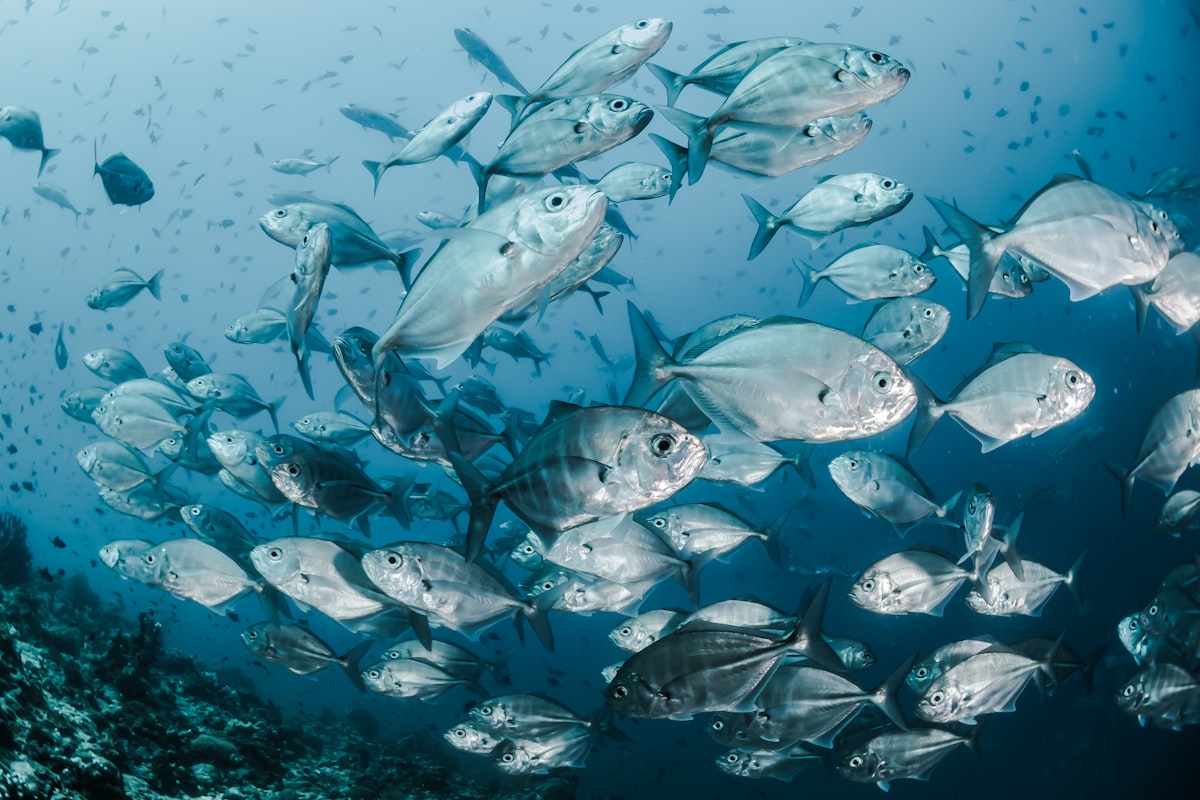
10 American Reefs Where Coral “Talks” Through Sound – New Research
New research reveals that healthy coral reefs broadcast a complex soundscape of pops, grunts, and crackles that act as a navigational beacon for marine life. This discovery highlights the reef as a living, communicative ecosystem that relies on acoustic signals to maintain its biological health.

Sturgeon fish sex sounds like ‘thunder’
Researchers have discovered that Atlantic sturgeon in the Hudson River produce low-frequency 'thunder' sounds during mating. This acoustic phenomenon, likely generated by the fish's swim bladder, suggests that these large animals communicate through vibrations that are felt as much as they are heard.

Oldest known whale song recordings discovered in Cape Cod archives
The Woods Hole Oceanographic Institution has unearthed the oldest known recording of a humpback whale song, dating back to 1949. This archival discovery provides a critical baseline for scientists to measure how human-induced ocean noise has altered marine communication over the last 75 years.

How a whale's dive shapes its song
A new study reveals that humpback whale songs are not random but are structurally linked to specific phases of their physical movement during dives. This finding suggests a sophisticated integration of physiology and acoustic expression that offers a new window into whale behavior.
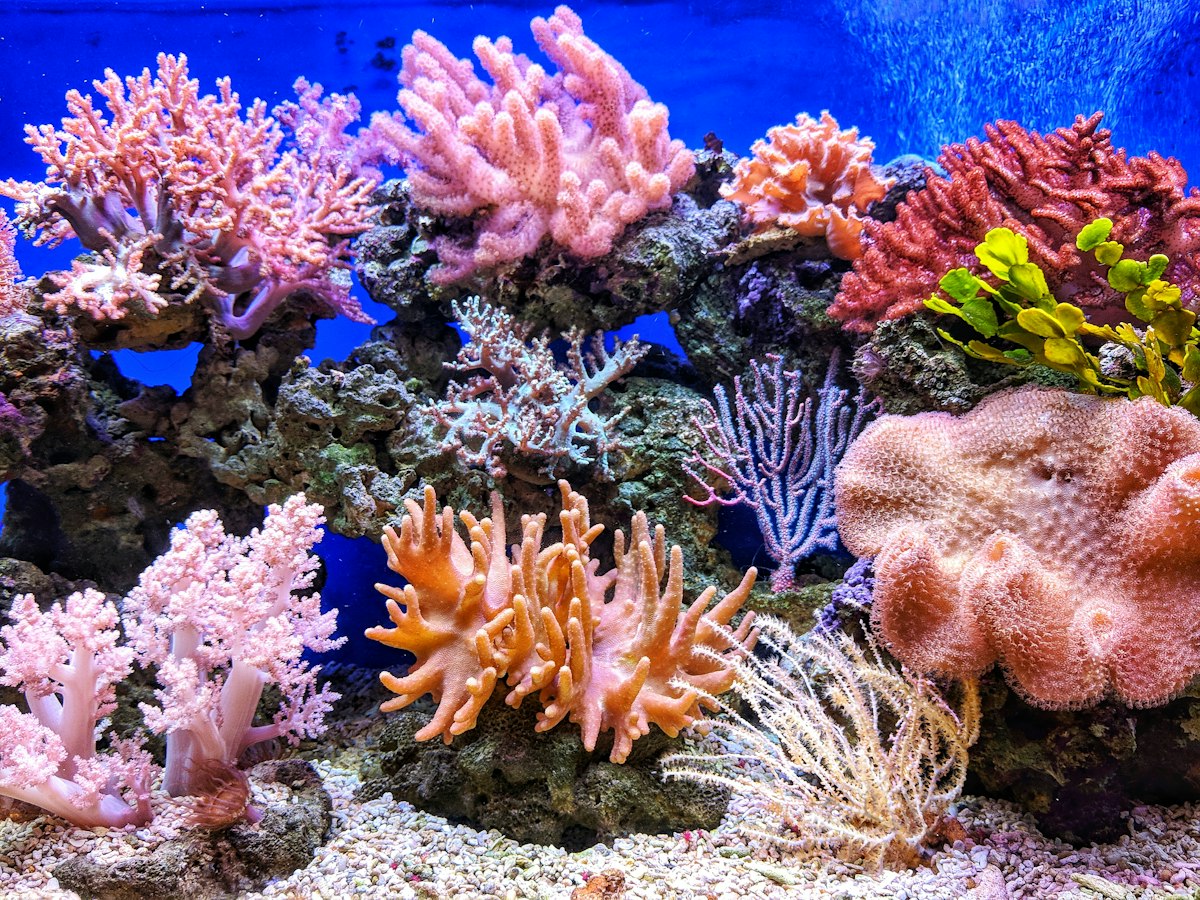
Probiotics prevented coral bleaching during a Red Sea heat wave: Study
In a promising breakthrough for reef resilience, researchers successfully used probiotics to protect corals from bleaching during a severe heat wave. This nature-based intervention offers a potential lifeline for reefs facing the pressures of a warming climate.

Acoustics and anthropogenic underwater noise in the IWC Scientific Committee (1951–2024)
A systematic review of decades of international policy shows a growing recognition of underwater noise as a primary threat to marine life. The research highlights the shift toward using bioacoustics as a critical tool for ocean governance and the mitigation of industrial impacts.